An art + ecology summer school in Ireland

Global Ecologies Studio

Study the living landscape of the Burren through studio practice, ecological inquiry and fieldwork.
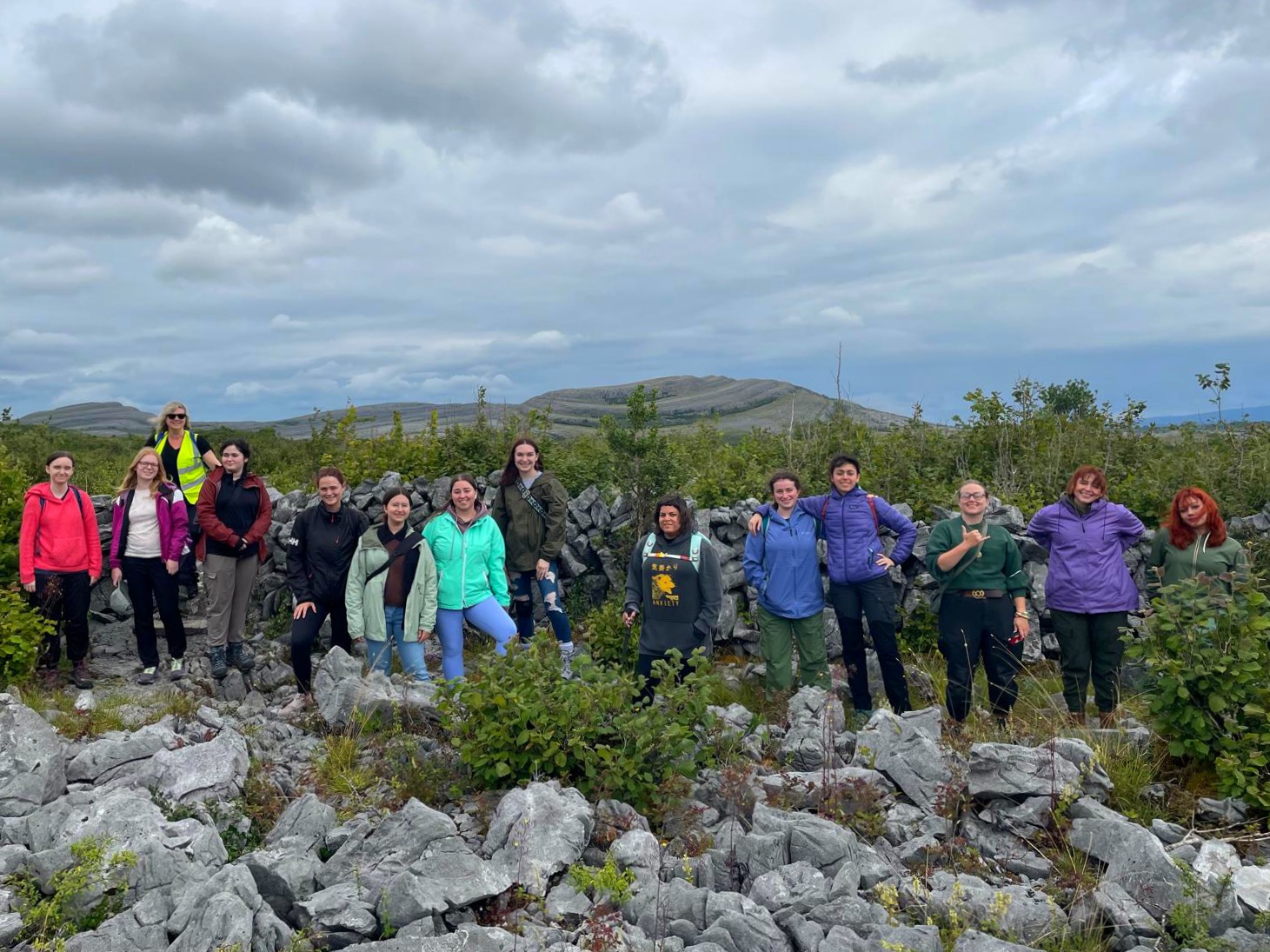
Global Ecologies Studio group in the Burren landscape
Overview

A place to think, create and explore.

The Global Ecologies Studio Summer School is a combined studio and science course offered to students who are looking for an opportunity to explore their studio art practice while examining various concepts found in ecology and earth systems. Based in the Burren of Western Ireland, this course provides a unique experiential and observable location to explore relationships between landscape and the social sphere.

FormatArt & Ecology
DurationFour weeks
CreditUp to 6 credits

“A living laboratory for creative minds.”
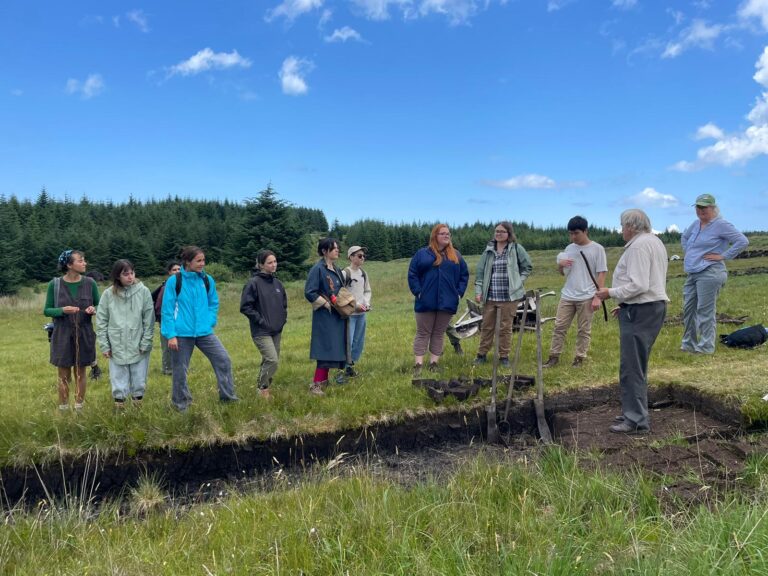
A group learning together in the Burren landscapeLearning beyond the studio
How you will learn

See the landscape from more than one angle.

Scientific inquiry and artistic practice shape one another throughout the summer school.
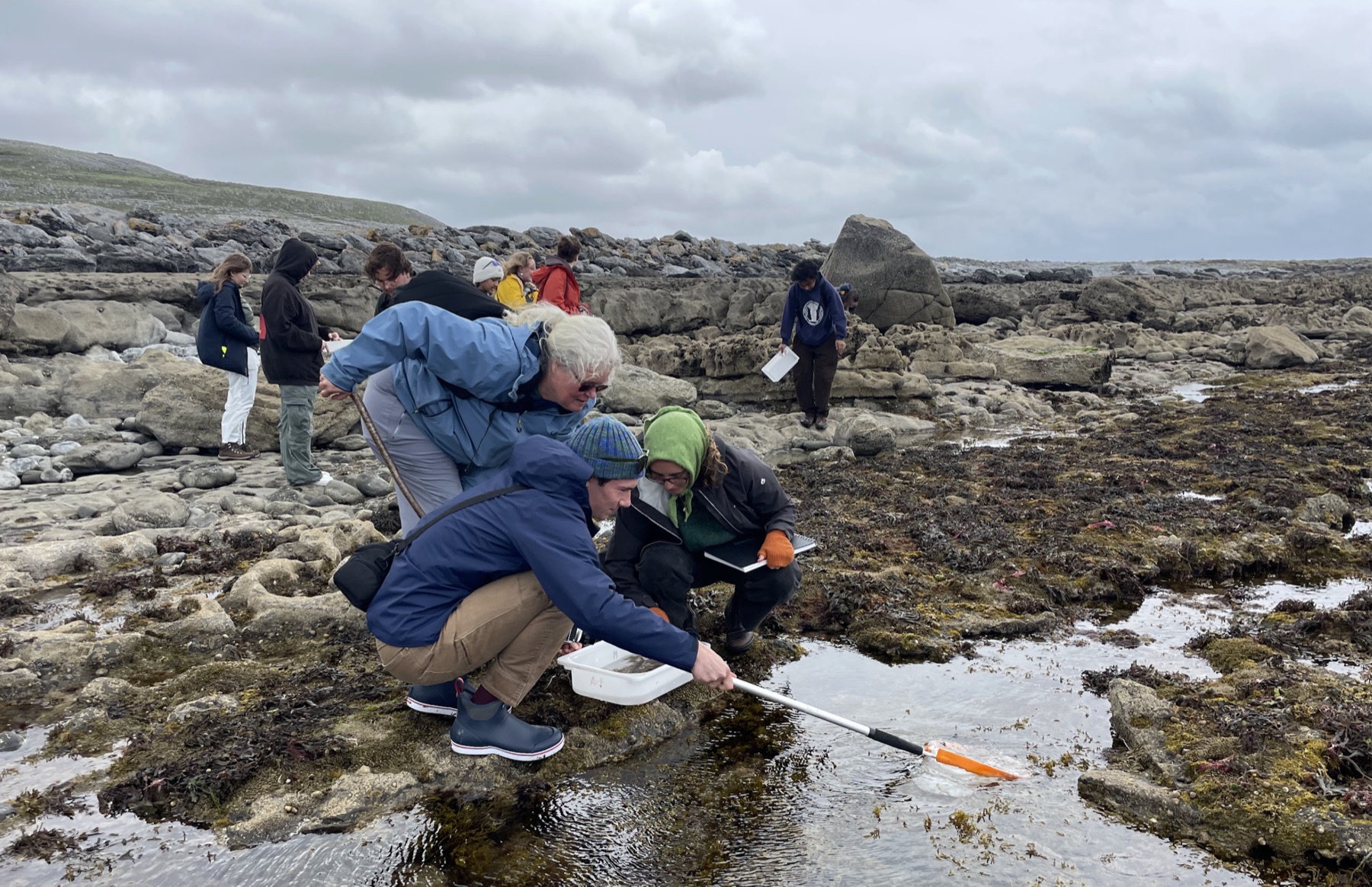
Students investigating tide pools on the Burren coast

In the field

Walking excursions and field trips connect ecological ideas to the Burren’s land, water and communities.
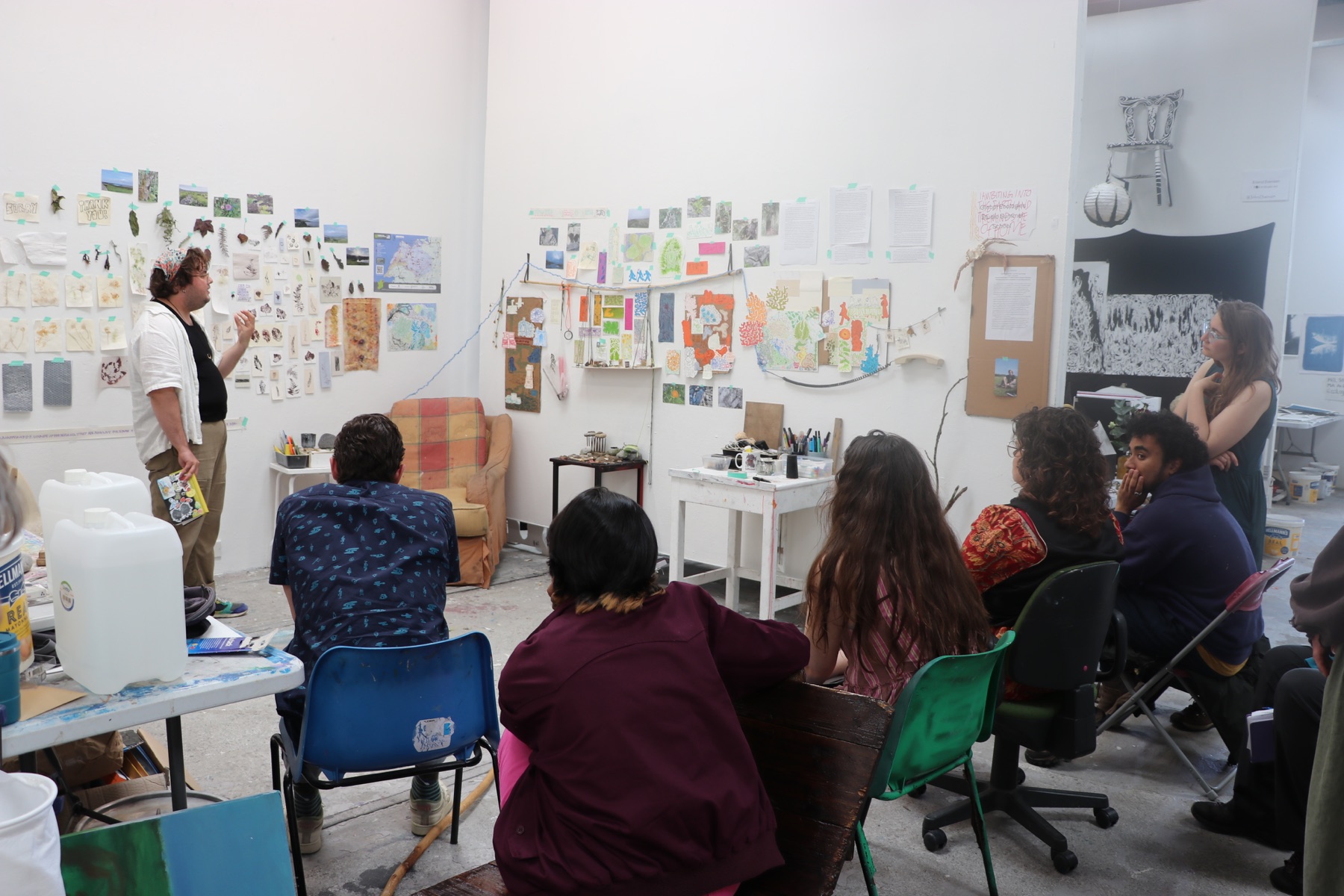
Students discussing research and artwork in a shared studio

In the studio

Dedicated studio space supports independent making, experimentation and a focused body of work.
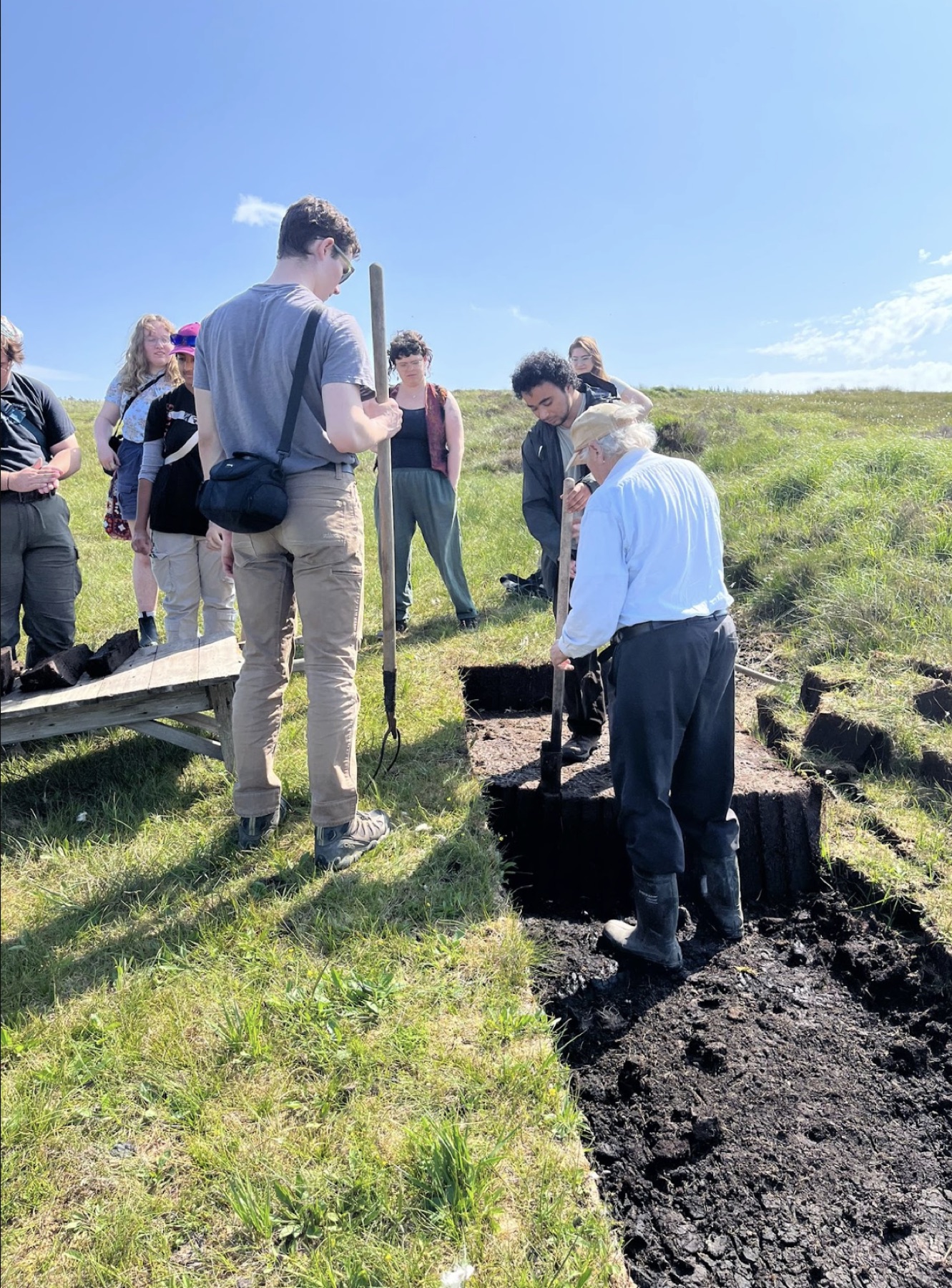
A group learning together during peatland fieldwork

In conversation

Seminars, visiting artists, local experts and peers bring new perspectives to your practice.

The experience

Rooted in the Burren. Open to the world.

Work with faculty whose practices span art and ecology. Explore contemporary ecological thought, then translate those ideas through your own materials, methods and questions.

The course welcomes art students and artists, as well as researchers in adjacent fields such as history, archaeology, anthropology, ecology and environmental science.
Session 1 · 202712 June – 10 July
Session 2 · 202710 July – 7 August
Academic creditUp to 6 credits · 200/300 level
01 / The approach

Art and science, in dialogue.

Through combined science and fine art practice, students investigate how social and earth ecologies coexist and interrelate. Seminars address ecological thought and the ways human activity shapes climate, oceans and the biosphere. Faculty, visiting Irish artists and local Burren experts bring these questions into contemporary art practice.

Field trips and walking excursions form an essential part of the course. Environmental and social justice, ecological thought and activism are central themes.

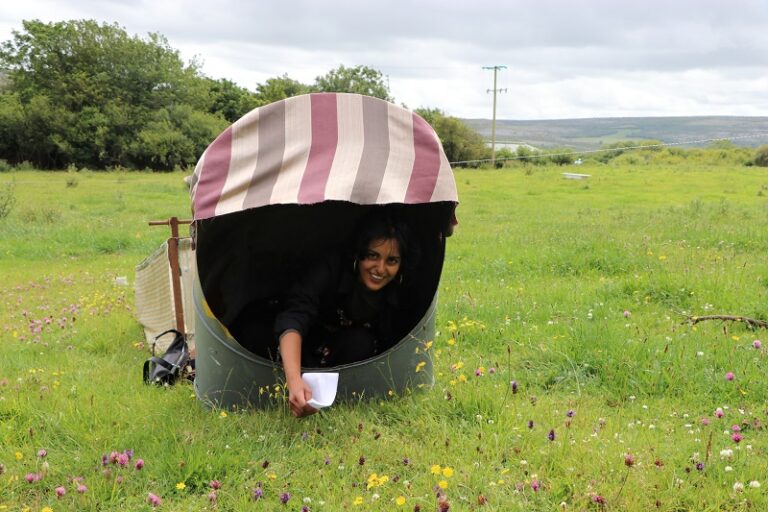
Outdoor artwork set in a Burren meadow

Course activities and the sample schedule may change from year to year.

02 / Studio practice

Make room for your own research.

Students have dedicated studio space and weekly visits with faculty, guest artists and peers. The programme asks for substantial self-directed studio work outside scheduled class time, alongside reading, writing and research in contemporary ecological theory.

Evaluation considers
  • Participation and active engagement.
  • Primary and secondary research, including journals, sketchbooks, creative input, project planning and resolution.

Successful students may earn up to six credits: three studio and three science credits at the 200/300 level.

03 / Meet the faculty

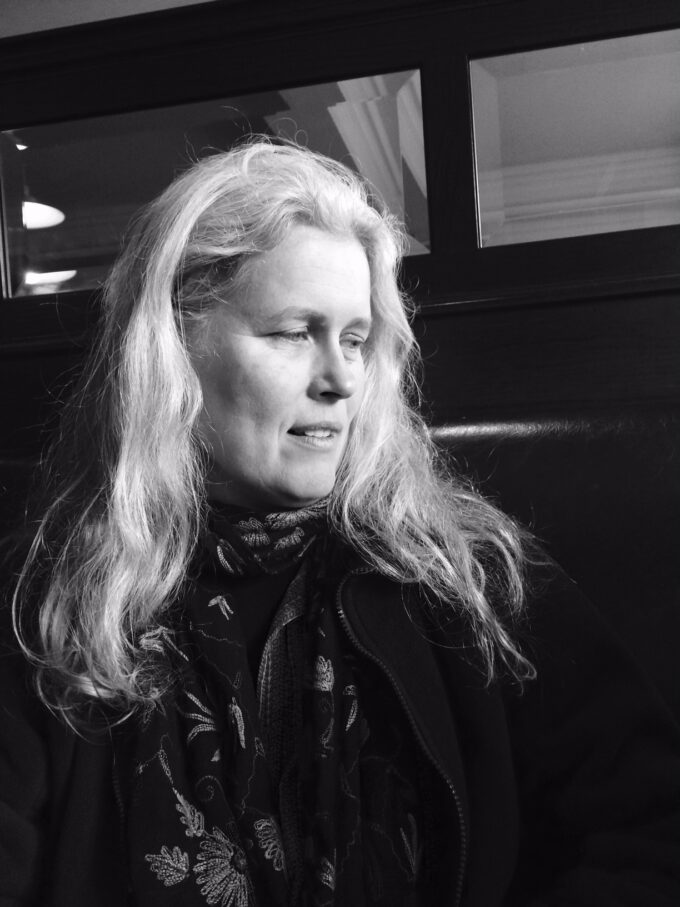
Artists and ecologists teaching together.

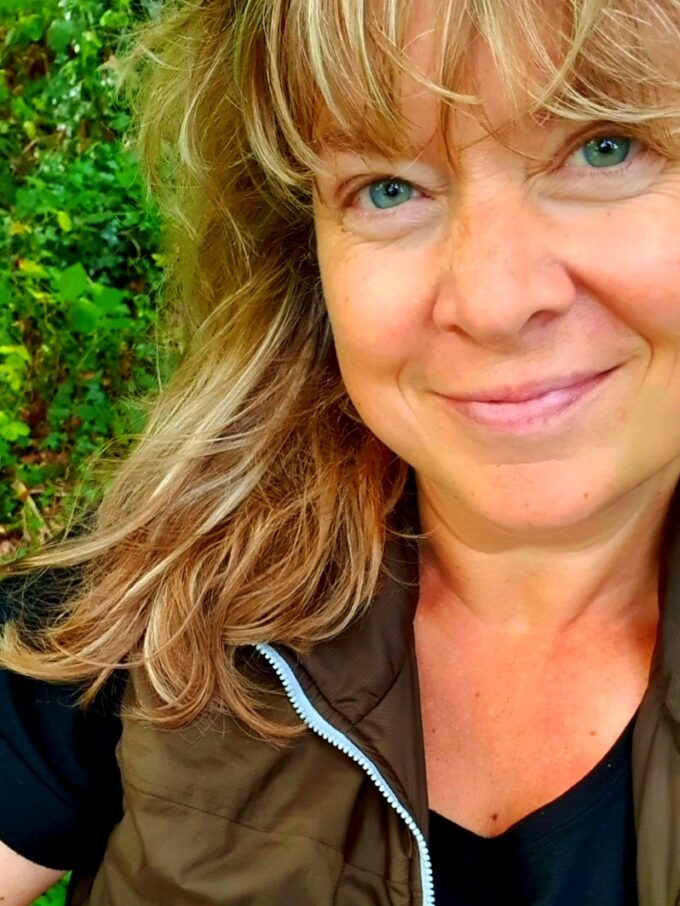
Session 1 is co-taught by Hugh Pocock and Tamaru Hunt-Joshi. Session 2 is co-taught by Maryann Worrell and Karen van Dorp.

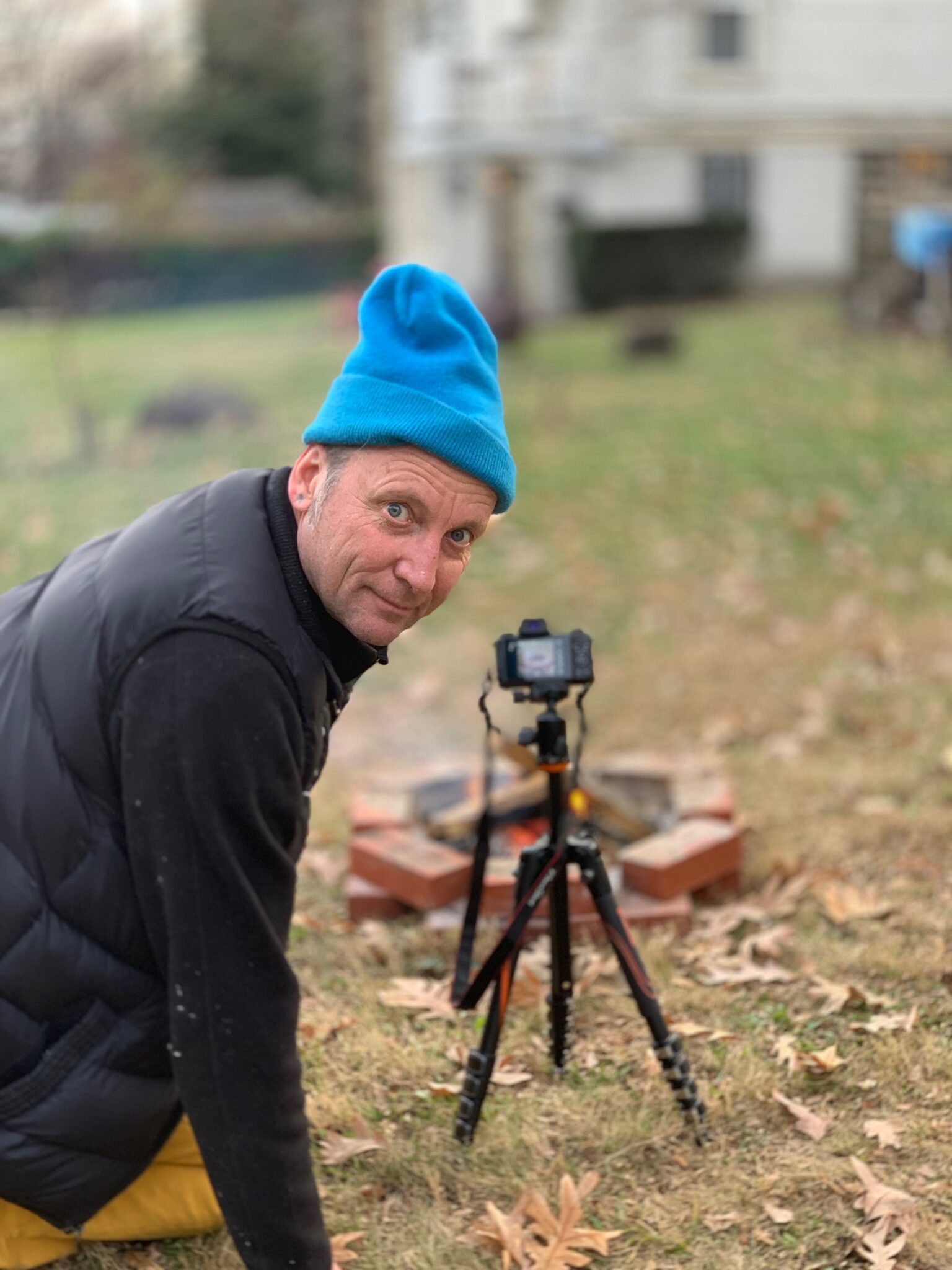
Hugh Pocock
Session 1 · Art

Hugh Pocock

Born in Aotearoa New Zealand and raised across three countries, Hugh works in sculpture, installation, photography and video. He often uses water, air, salt, wood and earth to examine energy, resource use, climate change and the Rights of Nature. At the Maryland Institute College of Art, he founded programmes in sustainability and social practice. He also co-facilitates Global Ecologies Studio at Burren College of Art.

Tamaru Hunt-Joshi
Session 1 · Ecology

Tamaru Hunt-Joshi

Tamaru earned her PhD in Ecology at Cornell University, where she studied plant ecology and insects involved in the biological control of invasive wetland plants. Her later field research explored relationships between fungi and plants. She has also studied at Imperial College London and the University of Southampton. Since moving to Ireland in 2007, she has maintained a strong interest in west coast ecosystems, especially botany.

Maryann Worrell
Session 2 · Art

Maryann Worrell

Maryann is an artist and educator whose work crosses sculpture, art, science and education. She teaches metals, jewellery and studio foundations at Arcadia University and holds an MA in Art and Ecology from the University of Galway and Burren College of Art. Her practice considers landscape, our place within it and the potential of art as a research tool for social and environmental change. Her sculpture has been exhibited nationally and internationally.

Karen van Dorp
Session 2 · Ecology

Karen van Dorp

Karen trained in evolutionary biology and phylogenetic systematics, researching butterfly biogeography at Leiden University and Harvard’s Museum of Comparative Zoology. She later worked on ecological field projects in Brazil and managed invertebrate collections at the Dutch national museum of natural history. She moved to the Burren in 2019 and now helps people explore its connections across geology, wildlife, farming and culture as Conservation and Outreach Officer at Burrenbeo Trust.

04 / Sample structure

Four weeks of inquiry.

Each week combines lectures, discussion, field visits and independent studio time. This is an example and is subject to annual change.

Week 01

Place & landscape

Introduction to the Burren, the College and the studio. Field visits may include Flaggy Shore, tide pools and peat bogs.

Week 02

Water & coastal ecology

Hydrological patterns, holy wells, springs, the Caher River and Fanore Beach.

Week 03

Biodiversity

Biodiversity in the age of humans, from limestone pavement to cultural sites.

Week 04

Resilience

Collapse, adaptation, wayfinding and final studio presentations open to the public.

Full sample schedule

Week by week

The following is an example of course structure and is subject to annual change.

Week 1

Place and Landscape

  • Introductions to The Burren and Burren College of Art
  • Introductions to Global Ecologies Studio
  • Science lectures and discussion
  • Studio lectures and discussion
  • Guest lectures
  • Field trips to: Flaggy Shore, tide pools, peat bog and turf cutting, Mullaghmore National Park
  • Individual Studio visits by Faculty
  • Independent Studio time
Week 2

Water: Hydrological Patterns and Coastal Ecology

  • Monday gathering
  • Science lectures and discussion
  • Studio lectures and discussion
  • Guest Artist lecture and Studio visits
  • Field trips to: Village water infrastructure, Burren Holy Wells and ancient springs, Caher River, Fanore Beach
  • Group Studio visits
  • Independent Studio time
Week 3

Biodiversity in the Age of Humans

  • Monday gathering
  • Science lectures and discussion
  • Studio lectures and discussion
  • Guest Scientist lecture
  • Guest Artist lecture and Studio visits
  • Field trips to: Biodiversity of Limestone Pavement, Bronze Age Ring Fort
  • Group Studio visits
  • Independent Studio time
Week 4

Collapse, Adaptation & Resilience

  • Monday gathering
  • Science lectures and discussion
  • Studio lectures and discussion
  • Guest Science lecture
  • Guest Artist lecture and Studio Visits
  • Field trips to: Wayfinding at Mullaghmore National Park
  • Independent Studio time
  • Final Studio Presentations
  • Studios open to the Public

Travel

Do I need a visa to come to Ireland?

Students from the US, Canada or EU do not need an entry visa. Other students should check the Irish immigration guidance and consult their local Irish embassy. Entry rules depend on nationality and personal circumstances.

Which airport should I arrive at?

The College advises arriving through Shannon Airport on your session’s start date. A shared private bus transfer is arranged after students provide their flight itineraries. If you plan to arrive earlier or travel independently, contact the College for directions to Ballyvaughan.

Accommodation & studios

Where will I be staying?

The College uses its campus and nearby housing, along with partners in Ballyvaughan. Housing allocations are confirmed closer to the start of the programme.

What is provided in the housing?

Bedding, a fully equipped kitchen and laundry facilities are provided. Bring your own towels.

Will I have my own room?

Rooms are generally twin occupancy. Accepted students receive a housing form to share preferences, needs and roommate requests. The College will advise if any single rooms are available.

How will I get to campus?

The campus is a 30–45 minute walk from Ballyvaughan village. For village housing, the College provides a weekday shuttle to campus in the morning and back in the afternoon. Outside those times, walking is the usual option.

Will I have studio access?

Studios are generally shared by two Global Ecologies Studio students, with wall and desk space for each. Students have 24/7 access to their studio and other campus facilities.

Costs & packing

What expenses should I plan for?

The programme fee includes tuition, field trips, scheduled airport transfers, twin-room housing and a weekday lunch plan. Students cover travel to Ireland, other food and entertainment, medical expenses and insurance, and art materials.

What about food and groceries?

A grocery stop is arranged after arrival. Ballyvaughan has a small supermarket, a Saturday farmers’ market, pubs and cafés. The campus café offers weekday lunches and caters for many dietary requirements.

Should I bring art materials?

The campus art shop is small, so bring supplies or order from an Irish art supplier for delivery to the College. Put your name on the parcel.

What clothes should I bring?

Pack for changing summer weather: a rainproof jacket, sturdy hiking boots and comfortable layers. The Burren’s terrain is uneven. Sun cream and a flashlight are also useful.

Support

What accessibility and wellbeing support is available?

The College can help arrange local medical or counselling appointments. Because of its rural setting, some services and places may be harder to access. Contact the College before arrival to discuss specific needs and participation.

Where can I find current health guidance?

Check the student handbook and contact Admissions for current public health advice and any programme-specific arrangements before travelling.

Still have a question?

Contact admissions@burrencollege.ie for the latest travel, housing and programme information.

2027 application deadline · 31 January 2027

Who can apply

Applications are welcome from undergraduate art students, postgraduates, independent artists and researchers in related humanities and natural science fields.

The course emphasizes self-directed research and independent studio practice, so the application asks you to show both your work and how you would use this environment.

Application checklist

What to prepare

5–10 images of recent work.

Creative statement · about 500 words: how you hope to connect your academic and creative work with environmental science, ecological crisis or sustainability.

Studio statement · up to 400 words: how you envision working in a self-directed research and studio setting.

Transcript of your academic work.

One letter of recommendation.

Tuition & payments

A clear view of the cost.

2027 · Four-week programme
€5,350

Programme fee as listed by Burren College of Art. An invoice and payment instructions follow acceptance.

Online tuition payment ↗

Included in the fee

  • Tuition and studio
  • Field trips
  • Weekday café lunch plan
  • Twin-room housing in self-catering accommodation

Travel to Ireland, other meals, insurance and art materials are additional.

Payment terms

Timing and assistance

Accepted students receive an invoice and payment deadlines. The College offers flexibility for students using loans or other external financial aid when documentation confirms the funding and disbursement dates.

Cancellation

All tuition and fees are due at least four weeks before the programme starts. The College states that it has no obligation to refund fees after that date. Non-payment may prevent release of academic records, including transcripts and diplomas.

Non-discrimination policy. Burren College of Art states that it does not discriminate on the basis of age, race, colour, sex, sexual orientation, gender identity or expression, religion, national or ethnic origin, disability, or veteran status in its employment, admissions, scholarship programmes or educational activities.

Next step

Ready to learn more?

Explore the programme or contact Admissions with a question.

Contact Admissions
Hide Apply NowShow Apply Now
Summer School – Global Ecologies Studio- Apply Now