
Arts Research Symposium 2026
Lecture Hall, Burren College of Art
Ballyvaughan, Co. Clare H91 H299
11.00am – 4.30pm, Wednesday 18th March 2026
Join via Zoom Meeting:
https://us02web.zoom.us/j/88483078339?pwd=VUbgJafRnL5dlQyBp2fD9m4MK6dl3W.1
Meeting ID: 884 8307 8339 Passcode: 907236
Participation:
Burren College of Art
University of Galway Centre for Creative Technologies and Centre for Irish Studies
University of Limerick Irish World Academy of Music and Dance


Programme
This Practice-based Research Symposium is an initiative of Burren College of Art with invited contributors from University of Galway’s Centre for Creative Technologies and Centre for Irish Studies along with University of Limerick’s Irish World Academy of Music and Dance.
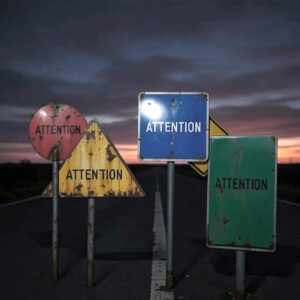
Eight research students from the three institutions will present on their current arts practice and research over the course of the day. Topics will include climate and environmental issues, how digital tech shapes users attention, intersections of art/ science and sexual politics in the rural. Presenters will address their research objectives, methodologies and potential contributions to new knowledge. Assistant Professor in World Music, Matthew Noone, will be responding to the presentations as Discussant. The event welcomes artists, scholars and interested members of the general public.
Programme:
10.30 am Tea / Coffee in the Café
11.00 am Welcome and overview by Dean Conor McGrady, Burren College of Art
11.15 am Laurence Hynes, University of Galway
11.30 am Nicole Monahan, Burren College of Art
11.45 am Zeyu Yan, Burren College of Art
12 noon Lea Farrell, Burren College of Art
12.15 pm Discussant, Professor Matthew, Noone University of Limerick
12.30 pm – 1.30 pm Lunch in BCA Café
1.30 pm Rocio Grau, University of Galway
1.45 pm Maitiú Mac Cárthaigh, University of Galway
2.00 pm Matteo Lo Bracco, University of Limerick
2.15 pm Kate Collyer, Burren College of Art
2.30 pm Discussant, Professor Matthew Noone, University of Limerick with Q&A from audience
3.00 pm Thanks and final remarks Dean Conor McGrady
Presenter Bios
Laurence Hynes
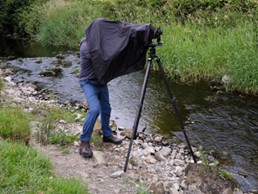
Laurence Hynes is an Irish visual artist and interdisciplinary researcher who works primarily in the medium of photography. His practice is concerned with landscape, place, and the human relationship with the Earth. He is a Government of Ireland Postgraduate Research Scholar in the Centre for Irish Studies, University of Galway, under the supervision of Dr. Nessa Cronin. His doctoral research is on Tim Robinson’s cartographic work in the west of Ireland.
https://www.laurencehynes.com/
Nicole Monahan
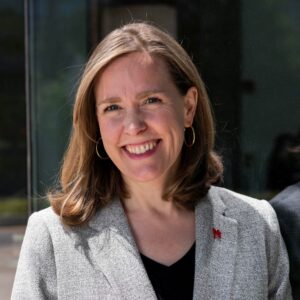
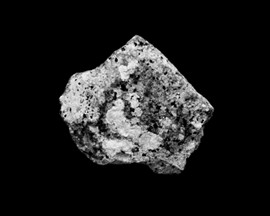
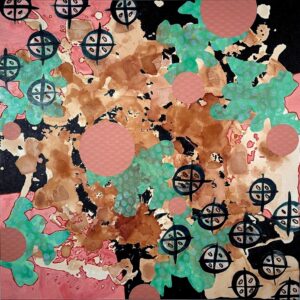
Nicole Monahan is an MPhil student at Burren College of Art researching how the possible exchange of small “packets” of perceptual information between land and humans could be made visible through a co-created pattern language.
Monahan earned her MFA in Sculpture from The Ohio State University. She has shown nationally and internationally, and served as an artist-in-residence in the US, Japan, and Ireland. Her extensive professional background includes teaching, leading real-world learning partnerships and career services, managing large-scale artist projects, developing curatorial projects, and directing educational media strategy. Monahan is also a fellow of the US-Japan Leadership Program.
https://www.nicolemonahanart.com/
Zeyu Yan
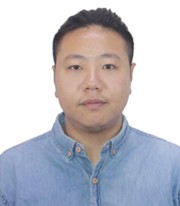
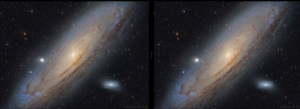
Zeyu Yan is an artist and art researcher from China and MPhil student at Burren College of Art exploring astronomy and astrophotography. Yan uses the methods of artistic programming and coding to 3D- visualize the scientific data gained through long exposure imaging. His work/research bridges art, technology, and philosophy, proposing new ways to visualise the ungraspable universe through scientific, aesthetic, and encoded aesthetic judgments that enhance perceptual and emotional engagement.
Lea Farrell
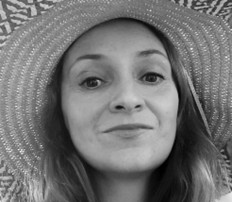
Lea Farrell is a visual artist and researcher with a background in animation. She holds a Diploma in Fine Art Painting Techniques and a BA (Hons) in Animation, and is currently undertaking a practice-based PhD in studio art. Her work experiments with drawing, installations and video, with gesture drawing and expressive, motion-driven mark-making forming the structural core of her practice. Through large-scale, process-driven works, Lea examines domestic life as a site of repetition and care amid growing digital stimuli. Combining theoretical research with studio practice, her work explores domestic routine and care as affective and temporal conditions in dialogue with the growing omnipresence of Artificial Intelligence. Drawing on philosophy, psychology, cultural theory, and critical technology studies, her research investigates how AI and digital systems reshape intimacy, family life, and lived experience within the contemporary home.
Rocio Grau
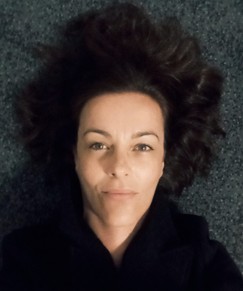
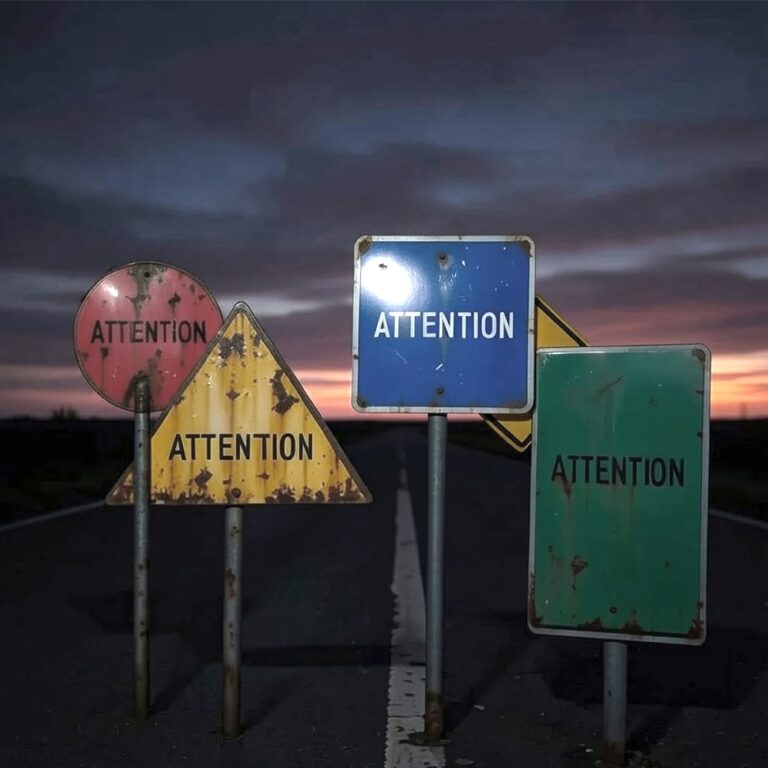
Rocío Grau is a multidisciplinary artist and PhD candidate at the University of Galway. Her research critically examines how digital technologies shape users’ attention and how this process reflects broader sociological dynamics. She investigates epistemic tensions between empirical and philosophical understandings of attention, interrogating its value beyond scientific measurement and normative frameworks of cognitive efficiency and productivity.Grau is a professional musician with five published albums. She holds a degree in Contemporary Art and a Master’s in Creative Practice from ATU, where she received two Academic Excellence Awards. She has exhibited across different European cities, such as Barcelona, Berlin, Donosti, or Dublin.
Maitiú Mac Cárthaigh
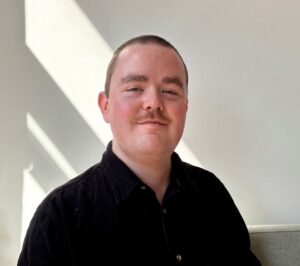
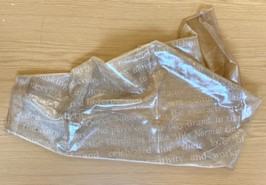
Maitiú Mac Cárthaigh (they/them) is a first-year PhD in Irish Studies doctoral scholar at the Centre for Irish Studies, Ollscoil na Gaillimhe, where their work is funded by a Hardiman Doctoral Scholarship. Their research-led creative practice, Good Queers? The Sexual Politics of Irish Rural Futures explores rurality as a sexed space and questions the complexity of queer rural existence, pinkwashing, rural gentrification and homonormativity.
Through a country boy’s make-do methodology, this project explores the expectations of anti-normative identities to move towards a “de-sexualised, de-politicised and de-radicalised identity” (McKearney, 2021).
Matteo Lo Bracco
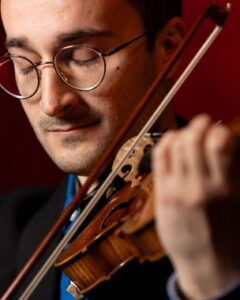
Matteo Lo Bracco is a PhD researcher at the Irish World Academy of Music and Dance at the University of Limerick. His arts practice research investigates the relationship between self and music, exploring the realms of metaphysics, self inquiry and sound.
Matteo has enjoyed an international career as a violinist in orchestras and chamber music ensembles. Having studied with André Swanepoel and Andrey Baranov, he has performed at international festivals including Entroterre Festival and Leonel Morales and Friends.
He previously served as leader of the Camerata del Gentile Orchestra and is currently Head of Strings at Musica Fusion School of Music in Charleville.
Kate Collyer
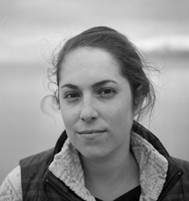
Kate Collyer (she/her) is a United States-based visual artist, educator, and PhD candidate at the Burren College of Art. Her research proposes a methodology in the creation of works of art that encompasses the use of walking, printmaking, and participatory experience. The International Appalachian Trail is used as a case study for this research, connecting terrain across continents. In considering the theories of place attachment, phenomenology and by adapting psychogeographic principles to on-trail environments, her research investigates how psychological responses to experiencing ecological spaces can foster an individual’s sense of place.
Assistant Professor Matthew Noone
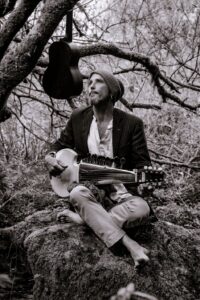
Assistant Professor in World music and the BA Music Course Director at the Irish World Academy of Music and Dance at the University of Limerick.
Matthew Noone is an indie rocker, improviser, composer and scholar whose primary instrument is the North Indian sarode. He has studied Indian classical music with Sougata Roy Chowdhury in Kolkata and K. Sridhar in the UK for over twenty years and works in a diverse range of disciplines ranging from Indian classical and Irish traditional music to contemporary folk, doom, electronica and electroacoustic improvisation.